
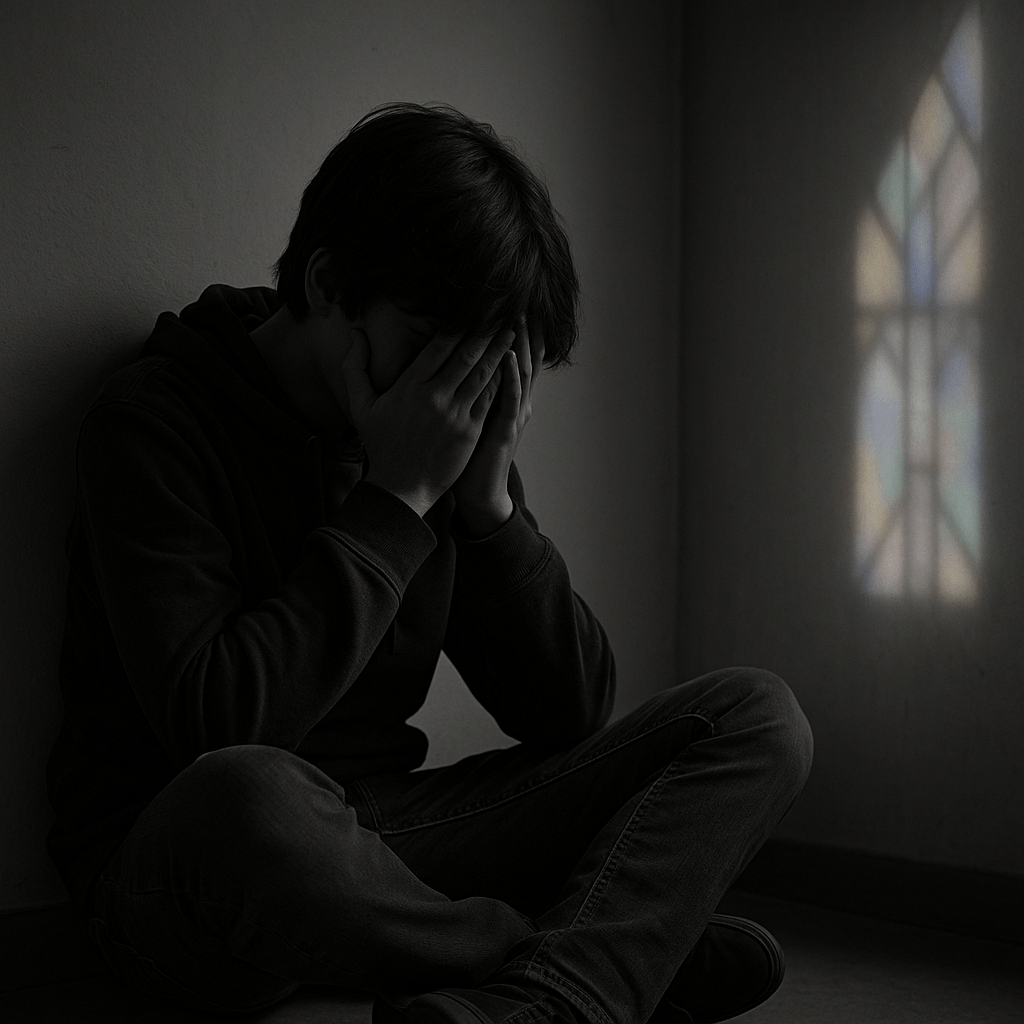
There is a quiet violence that many LGBTQI people know intimately; one not of fists, but of whispered prayers, hushed warnings, and the careful conditionality of love. It is the violence of shame, often disguised as “care,” which rests at the heart of so-called conversion therapy. And though many of us thought this practice belonged to a darker, more ignorant past, it has never truly gone away. It has simply adapted, refined its language, and waited.
At its core, conversion therapy operates on a single toxic premise: that LGBTQI identities are flawed, broken, or less than. Whether framed as “healing,” “deliverance,” or “biblical restoration,” the practice is designed to suppress something essential. That suppression can take many forms, structured counselling, coercive prayer, behavioural conditioning, but the psychological impact is almost always the same: a profound sense of self-rejection, reinforced by authority figures, often from within one’s own family or faith community.
The harm is not theoretical. The research is unequivocal. LGBTQI people subjected to conversion practices are significantly more likely to suffer from depression, anxiety, PTSD, and suicidality. And the scars don’t always show up straight away. Many survivors report a long latency, the quiet internalisation of shame that manifests years later in broken relationships, substance use, or a gnawing disconnection from their own identity.
This is where the concept of minority stress is indispensable. Developed in psychological research to explain the cumulative effects of living in a society that routinely marginalises your identity, minority stress tells us that it is not just overt acts of discrimination that harm LGBTQI people, it is the constant micro-regulation of our bodies, our language, our desires. Conversion therapy is a concentrated form of this stress. It encodes societal shame into the most intimate parts of a person’s self-perception. The result is not just individual trauma, but a systematic assault on the possibility of queer joy, queer confidence, and queer resilience.
And yet, as Scotland finally seeks to legislate against this practice, an alarming backlash is underway.
In recent months, legal opinions commissioned by conservative Christian groups have cast the proposed legislation as an attack on religious freedom and parental rights. They argue that individuals should be free to seek out “supportive conversations” about their identity, conveniently glossing over the fact that such conversations are often weighted with spiritual threat and social coercion. More disturbingly, these arguments mirror a rising tide of theocratic lobbying in the United States, where the Christian Right has found new vigour in framing anti-LGBTQ+ policy as a righteous defence of “family values.”
The same strategy is now being deployed here. Behind the legalistic arguments lies a moral campaign, a reclamation of space for conservative Christianity to dictate whose lives are deemed acceptable. What we are witnessing is not merely a disagreement over policy. It is a strategic mobilisation of shame: the attempt to sanctify homophobia and transphobia under the guise of religious liberty.
In the coming weeks, I’ll be using my blog to unpack the growing influence of these networks, how American religious fundamentalism is exporting its culture wars across the Atlantic, and why UK lawmakers must hold the line. I’ll explore how soft power, legal briefings, think tank partnerships, “concerned parent” campaigns—is being deployed to water down protections that should be unambiguous.
But for now, let us return to where this begins, not in a courtroom or consultation document, but in the soul of a young person being told they must change in order to be loved.
We cannot let shame be policy. We cannot let coercion hide behind conscience. And we cannot allow this moment of reckoning to slip into quiet retreat.
Not again.
One response to “Sanctified Shame: The Return of the Morality Police”
-

[…] resistance, or the subtle violence of being perceived. On Blufbear.com, I’ve written about queer shame, about the scars of growing up under a panopticon of heteronormativity. But this year, as I sat […]
LikeLike

 BlufBear
Leave a comment